After delivery: Goods Receiving
At Bosch, the Good Receipt (GR) process plays a key role in keeping our supply chain running. Every day, more than 300 million parts need to arrive in the right place, at the right time, time for Bosch’s global manufacturing sites to be able to produce goods. GR bookings are executed daily and have a profonde impact on our internal supply process, after all, the entire downstream supply chain is depending on it.
What happens after your shipment arrives at Bosch?
After your shipment arrives at a Bosch location, it enters the Goods Receipt (GR) process.
Bosch verifies the shipment information, identifies the delivered handling units, and records the goods in the system. Correct shipment information, packaging data, and labels help ensure fast and accurate processing.
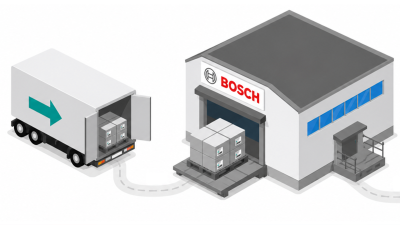
How is my shipment processed?
Every shipment goes through several verification steps before the goods become available for production.
- Shipment arrives
- Shipment is identified
- Shipment information is verified
- Goods are recorded
- Goods become available
What information is checked?
To process your shipment efficiently, Bosch verifies the consistency between the physical shipment and the electronic shipment information.
This includes:
🏷 Global Transport Labels (GTL): Bosch verifies that the correct labels are attached, clearly visible, and contain the required shipment and handling unit information.
📄 Advanced Shipping Notice (ASN): Bosch checks that the ASN has been received before delivery and that the shipment information matches the delivered goods.
📦 Packaging Information: Bosch verifies that the reported packaging details, such as packaging levels and packaging materials, correspond to the physical shipment.
🧱 Handling Unit Structure: Bosch checks that the packaging hierarchy (e.g. pallets, boxes, and handling units) is correctly represented and consistent with the ASN.
📋 Material Information: Bosch verifies that the delivered materials, quantities, batch information (where applicable), and other logistics data match the order and shipment information.
How can I help ensure a smooth Goods Receipt?
Before dispatching your shipment:
✔ Attach the correct GTL labels.
✔ Ensure labels are visible and readable.
✔ Send the ASN before delivery.
✔ Verify that GTL and ASN information match.
✔ Provide the required packaging information.
✔ Follow the applicable process variant.
What is Automated Goods Receipt (AGR)?
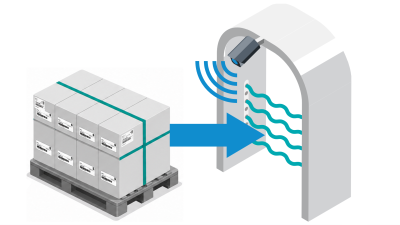
Automated Goods Receipt (AGR) enables Bosch to automatically identify and process incoming shipments using the shipment information provided by the supplier.
Before the shipment is dispatched, suppliers send an Advanced Shipping Notice (ASN) containing shipment and packaging information, including the unique IDs from the Global Transport Labels (GTL) attached to the handling units (such as pallets and boxes).
When the shipment arrives at Bosch, these labels are automatically scanned and matched with the information received in the ASN. This allows Bosch to identify each handling unit, process the shipment efficiently, improve traceability, and reduce manual receiving activities.
To support Automated Goods Receipt, suppliers should ensure that:
- The shipment is labelled according to the GTL requirements.
- The ASN is transmitted before the shipment arrives.
- The information in the GTL labels, packaging structure, and ASN is complete and consistent.
Suppliers participating in AGR will be guided through the onboarding process by a Bosch EDI consultant, including the technical setup, testing activities, and implementation requirements. AGR can be implemented using both Classic EDI and WebEDI (SupplyOn) .
What is AGR?