Connect to Bosch (Enablement)
Electronic Data Interchange (EDI) enables suppliers and Bosch to exchange business and shipment information electronically throughout the delivery process. Learn about the different connection types, supported use cases, and how to get started with EDI.
What is EDI?
EDI or Electronic Data Interchange refers to business information between digital entities, such as suppliers and customers, using standardized formats. With EDI, Bosch optimizes data flow in procurement, planning, logistics, and finances. It serves as an effective instrument for the realization of optimized inter-operational communication and is an essential building block for automated end-to-end processes.
Our Transport and Goods Receipt processes are tailored to each supplier’s and carrier’s digital maturity, based on their EDI connection level:
- Classic EDI Connection
- WebEDI Connection
- No EDI Connection
Explore our data sheets, certificates, and manuals — and learn how to set up your EDI connection using Bosch-specific message guidelines and best practices:
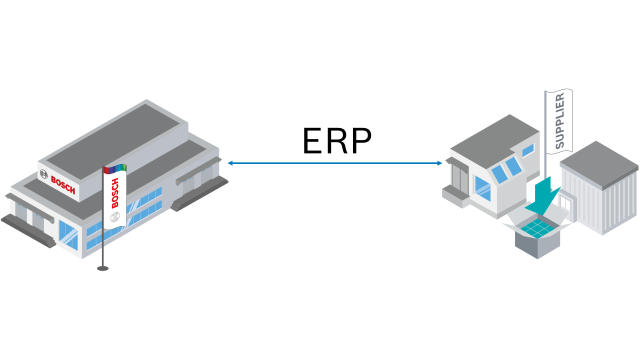
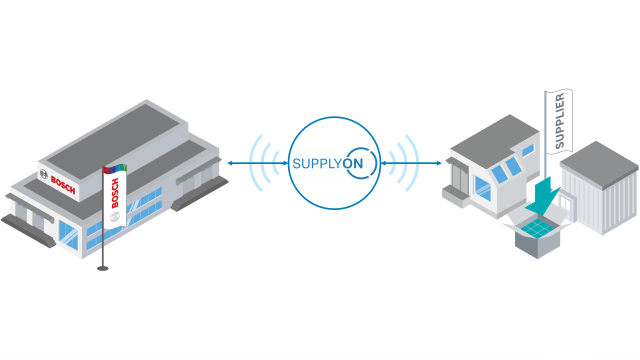
Classic EDI vs. Web EDI
Ready to go digital?
Getting started with EDI at Bosch is simple and well-supported.
Suppliers can initiate the EDI rollout by contacting their Bosch plant contact , who will guide them through the setup process. For any contract-related topics, reach out to your Bosch purchasing representative.
Before going live, the following requirements must be met:
- A signed EDI contract between the supplier and Bosch (can also be established at holding or parent company level).
- Supplier commitment to an EDI technology: either WebEDI or Classic EDI.
- Full setup of the EDI process between Bosch and the supplier.
With these steps in place, suppliers can seamlessly connect to Bosch’s supply chain and start exchanging data digitally.